
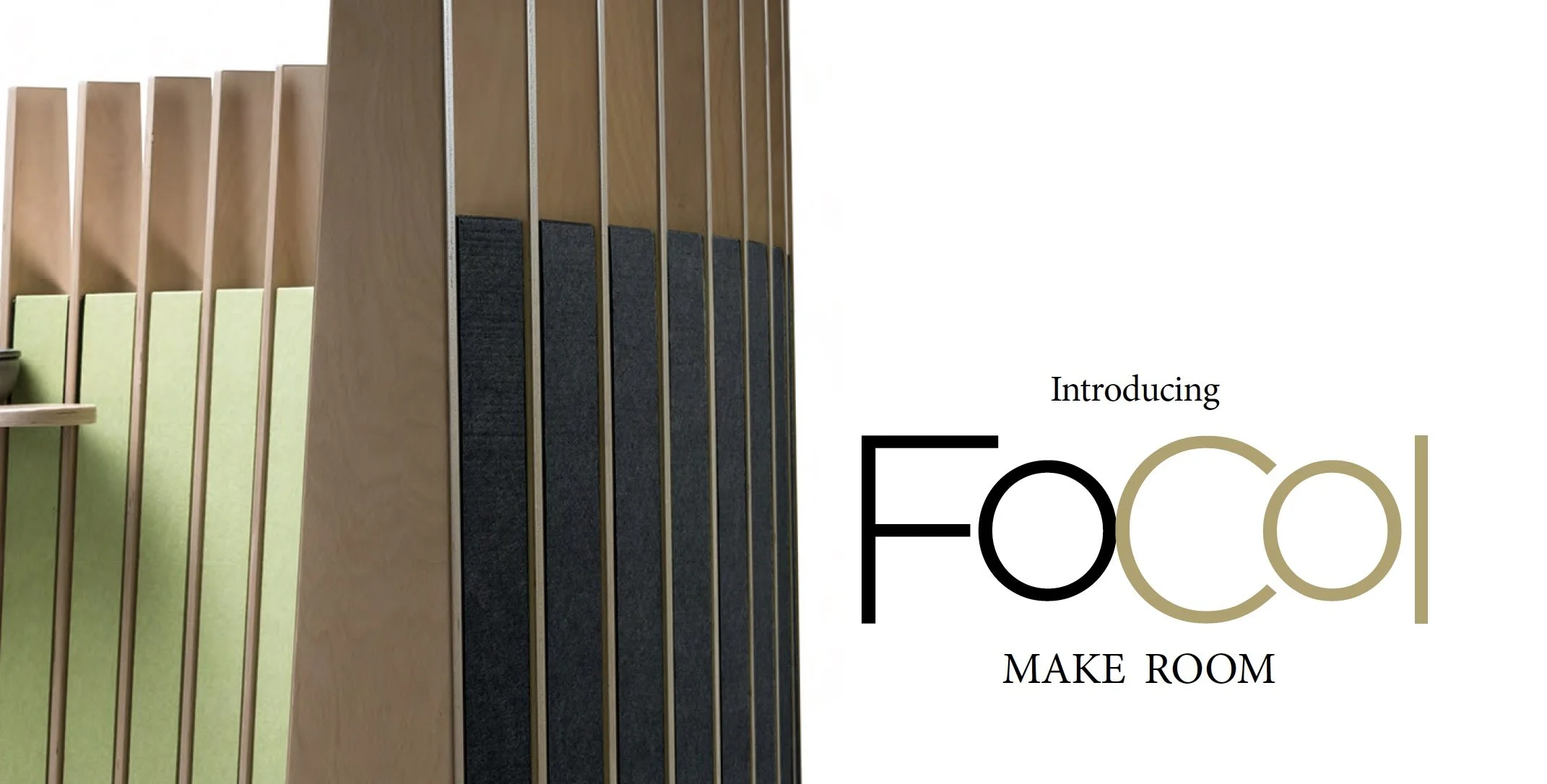
Miran Focol
When scale, system integrity, & long-term growth were still unresolved
FOCOL AT A GLANCE
ENGAGEMENT FORMAT
Inflection Intensive → Project Partnership → Stewardship Support
CONTEXT
Market inflection with a vision toward long-term growth prompted Harbor Retail to enter a new vertical: furniture.
MY ROLE
Strategic advisor to President, Head of Creative, and Vice President of Marketing.
FOCUS
Reframed the original, single product concept into a modular, scalable system.
OUTCOME
Specifier-ready product platform launched at the largest domestic industry trade show; national sales representation secured..
“A highly collaborative effort between Design (internal and consultants), Engineering, and Operations substantiated the benefits of developing a systematic solution suite rather than a standalone product. This evolution was pivotal towards a far more feasible, marketable, and meaningful system.”
— Walter Miranda, President Harbor Retail
“Our team recognized that entering the mature, complex, and highly competitive furniture industry was outside of Harbor’s core competency. Leveraging the knowledge, expertise, and experience of partners — i.e., Gretchen Gscheidle — streamlined our process and increased the likelihood of a successful outcome.”
— Walter Miranda
CONTEXT
In December 2020, Walter Miranda, then President of Harbor Retail (Harbor) called me from the Grand Haven, Michigan, headquarters.
Walter explained Harbor was at a strategic inflection point. As online retail accelerated, the company’s core business of designing and building physical retail environments was shifting. An internal team had begun exploring how Harbor might extend its deep design-build expertise into the furniture industry, entering a mature and highly competitive market.
Momentum was already present. An internal concept was underway, belief in it was building, and leadership attention was engaged. The question was not whether Harbor could enter a new vertical — but how, and with what long-term implications.
Walter’s ask of me was deliberately constrained: a three-day assessment of the market viability of a single freestanding workplace product on the drawing board.
The concept was a nautilus-shaped, sub-architectural form intended to support focus and collaboration within open workplace environments. It was promising. Even at this early stage, decisions about form, materials, manufacturing, and positioning were already beginning to narrow what the future offering could become.
THE TENSION
The challenge was not creativity, speed, or capability. It was judgment.
As development moved forward, the risk wasn’t that Harbor would fail to bring something to market. The risk was that a compelling but narrowly-framed product would harden into place — before the broader system it needed to live within was fully understood.
Without deliberate intervention, momentum itself would have decided the outcome: a standalone object optimized for near-term delivery, rather than a coherent system capable of supporting scale, adaptation, and long-term growth.
At stake was more than a single product launch. The decisions being made would quietly determine the flexibility of future offerings , how manufacturing and operations would scale, and whether this vertical would become a sustainable platform — or a one-off extension.
This was the moment where judgment mattered. And where leaving the work to chance would have been the most consequential decision of all.
THE WORK
Rather than simply refining the initial concept as a product, I raised an early caution that treating it as a standalone object would constrain its future — and worked closely with Harbor’s leadership, design, engineering, and operations teams to examine the broader system the idea would need to live within.
I was brought in not to accelerate development, but to slow the work down just enough to see what was actually at stake. By staying close to the work as it unfolded —sketches, material studies, manufacturing assumptions, configuration logic, and early market positioning —patterns became visible that hadn’t been apparent when the concept was viewed in isolation.
THE JUDGMENT
The critical decision was not about form, features, or speed to market.
It was whether the concept would become a standalone product optimized for a single moment, or a modular system designed to support growth, variation, and future evolution.
Choosing the second path required committing early to a shared structural and material logic — accepting short-term constraints in service of long-term coherence.
THE OUTCOME
With the judgment to build a modular system, the work moved forward with clarity and alignment.
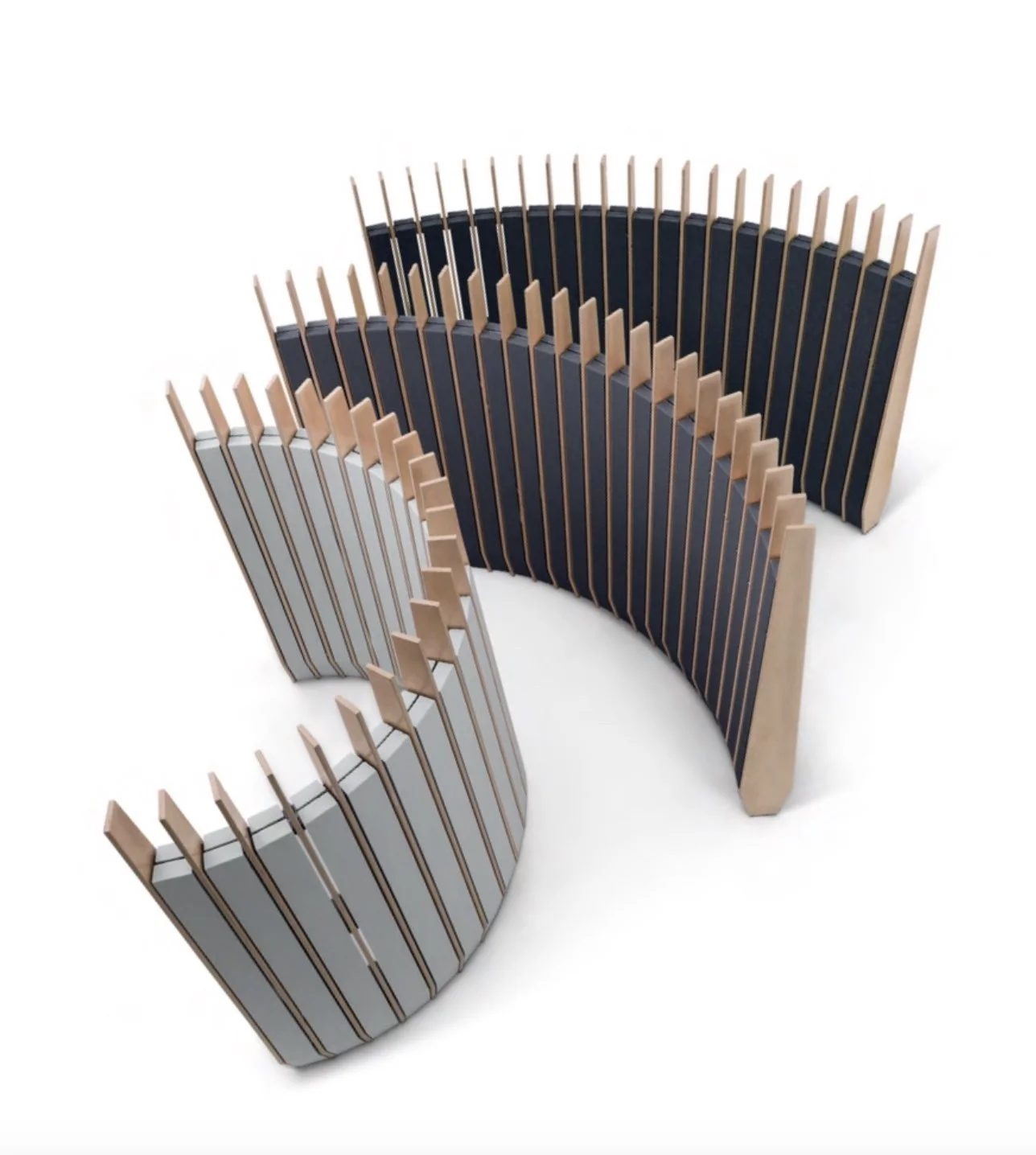
What emerged was a scalable platform: a family of freestanding configurations built from a consistent structural and material logic. The Miran FoCol collection debuted publicly at NeoCon 2021, receiving strong interest from the show’s attendees: facility managers, architects, interior designers, suppliers, and independent sales representatives.
Following the debut, I led phase three for Harbor: qualifying and recruiting viable independent sales representatives as entry points for Harbor into architectural and design firms across the United States.
REFLECTION
This work reinforced a simple but consequential truth: when momentum is allowed to make decisions, outcomes are shaped by chance.
By practicing discernment early — before form, materials, and manufacturing assumptions hardened —the team was able to apply judgment where it mattered most.
In this case, design wasn’t about refining an object. It was about deciding what kind of future Harbor was building toward — and ensuring that future wasn’t simply left to chance.
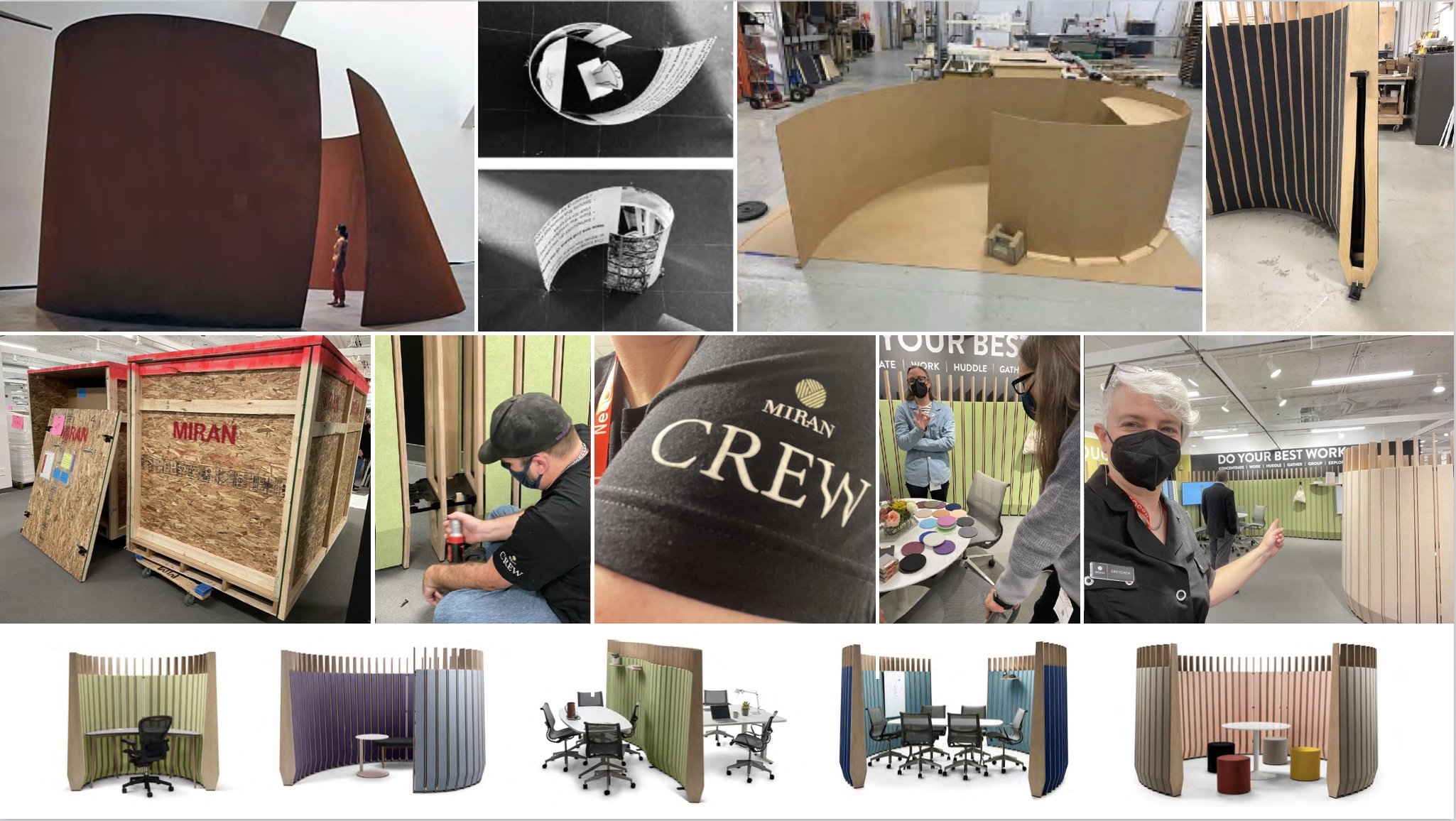
Image Credits: Harbor Retail