

3440 Lake Shore Drive
Designing the conditions for good governance
3440 LAKE SHORE DRIVE AT A GLANCE
ENGAGEMENT FORMAT
By Design Session → Stewardship Support
CONTEXT
A 218-home, 70-year-old vertical community undertaking its first comprehensive property management search in decades while the Board balances fiduciary responsibility, resident expectations, operational complexity, and long-term stewardship.
MY ROLE
Board President and architect of the evaluation process.
FOCUS
Designed a governance process that enabled discernment before selecting a long-term property management partner.
OUTCOME
Board alignment through clarity rather than assumption; selection of a new management partner following a structured evaluation of seven firms, including the incumbent.

“I am proud and grateful to be part of this Board and this is an exciting time for our Association.”
— Fellow Board Member
CONTEXT
Most organizations eventually face decisions whose consequences extend well beyond the immediate choice.
For the 3440 Lake Shore Drive Condominium Association, selecting a new property management partner was one of those decisions.
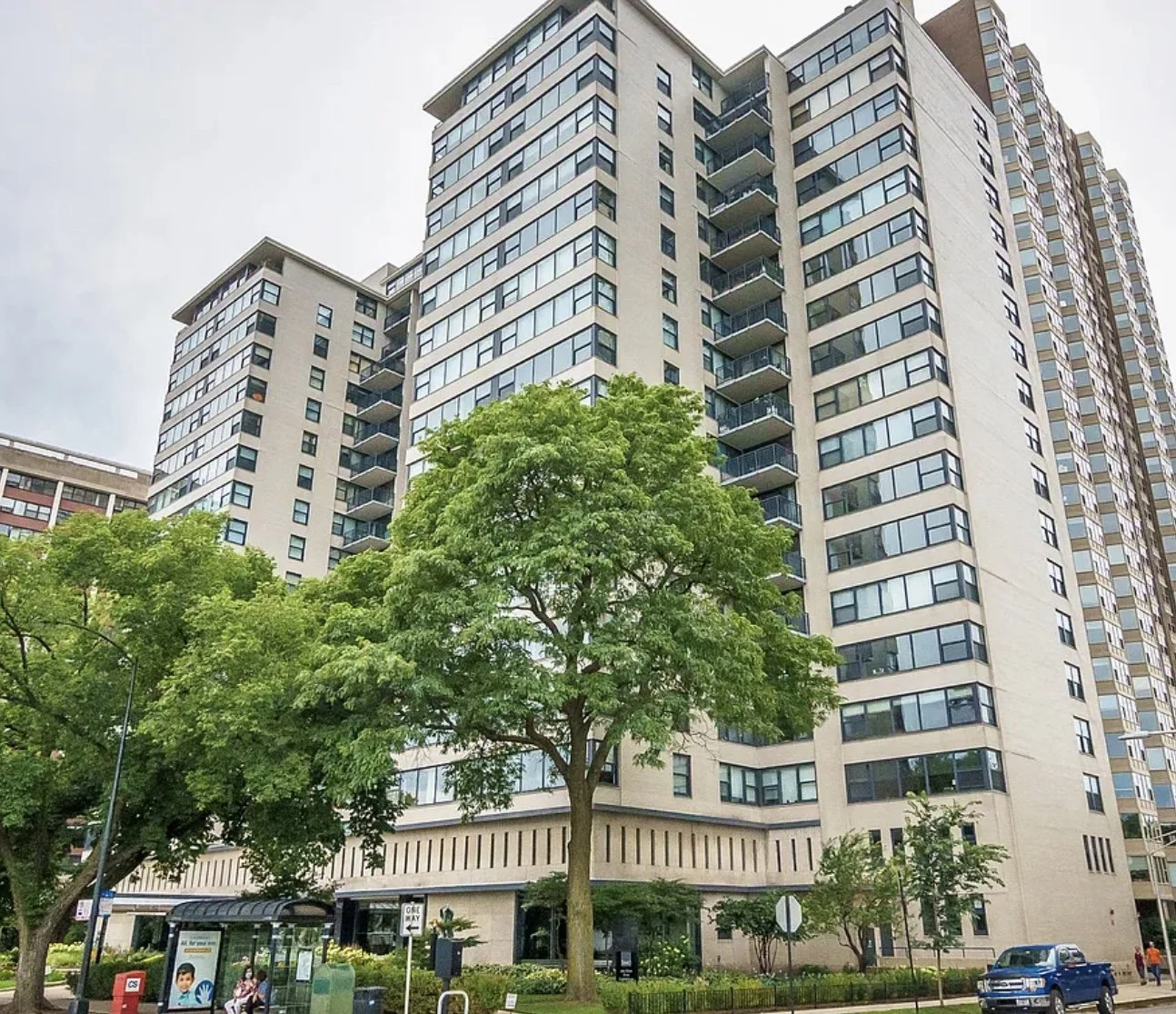
The Association encompasses 218 homes, a $3.2 million annual operating budget, ten employees, significant capital assets, and residents ranging in age from their twenties to their nineties. Property management influences not only daily operations, but financial stewardship, capital planning, workforce leadership, owner experience, Association attractiveness to prospective owners, and the Board's ability to govern effectively.
Like most Condominium Associations, governance rests with volunteer Board members who accept fiduciary responsibility on behalf of their neighbors. The work is often quiet and unseen, yet the decisions can shape the community for years to come.
The 3440 Board did not begin the process intending to change management companies. It began with a responsibility to the Association: to conduct the due diligence necessary to determine the best property management partner for the next three to five years.
That distinction shaped everything that followed.
THE TENSION
Early conversations naturally gravitated toward comparing firms: fees, staffing models, technology tools, leadership, promises, and references.
All of these mattered.
But I became increasingly convinced they were secondary to a more fundamental question:
Before comparing companies, we first needed to understand what the Association actually required from a management partner.
Without that shared understanding, the strongest presentation — or the lowest proposal — could easily determine the outcome.
Momentum, left alone, would have made the decision for us.
THE WORK
In addition to a comprehensive, side-by-side comparison of the particulars of each firm, I identified seven capabilities that I believed would determine the Association's long-term success. My fellow Board members agreed they were all important.
Together, we developed an evaluation framework examining Community Management, Administrative Support, Financial Stewardship, Building and Capital Expertise, Organizational Support, Information Access and Transparency, and Workforce Management.
Over just more than one month, the Board evaluated seven firms — including the incumbent management company — through proposals, interviews, reference conversations, legal review, site visits, comparative analysis, and extensive discussion. All were capable of servicing the community.
The process wasn't designed to eliminate disagreement.
It was designed to improve the quality of the conversation.
DESIGNING THE CONDITIONS
Throughout the process, I facilitated Board discussions intended to slow the work down just enough for assumptions to become visible.
Rather than asking, 'Which company do we like most?', we repeatedly returned to more consequential questions.
What responsibilities belong with the Board?
What should management own?
What capabilities will matter five years from now — not simply next month?
How should technology, organizational structure, communication, and building expertise work together as a system?
Those questions reshaped the evaluation itself.
The process became less about choosing among seven firms and more about designing the conditions for responsible governance.
THE OUTCOME
By the conclusion of the evaluation, the Board reached unanimous agreement — not because everyone began with the same opinion, but because the work had created shared clarity. The decision to change management companies and the selection of a new long-term partner were both unanimous.
The Association selected a new long-term property management partner following a structured evaluation of the contenders.
Equally important, the Board established a transparent decision framework that can guide future governance and be explained confidently to homeowners.
The process strengthened the Association as much as it informed the decision.
REFLECTION
This engagement reinforced something I have seen throughout my career.
Good governance is rarely defined by unanimous agreement. It is defined by a process that gives people confidence that the decision was reached thoughtfully, responsibly, and in the best interests of the Association.
When organizations invest in creating the conditions for better decisions, outcomes become more resilient — not because uncertainty disappears, but because responsibility has been intentionally designed into the work.
Stewardship begins long before implementation. Sometimes it begins with designing the decision itself.